
Authors & Artists: How to Sell Without Feeling Salesy
Does selling feel awkward to you? Like you’re a different person when you mention your offer? You’re not alone! Many creatives struggle with selling because it feels pushy. But here’s the truth: selling doesn’t have to feel salesy.
In fact, selling can feel good when you approach it with the mindset. Whether you sell books, art or services, this is for you!
If you’d like a step-by-step walkthrough, you can watch the full video or listen to the podcast linked below.
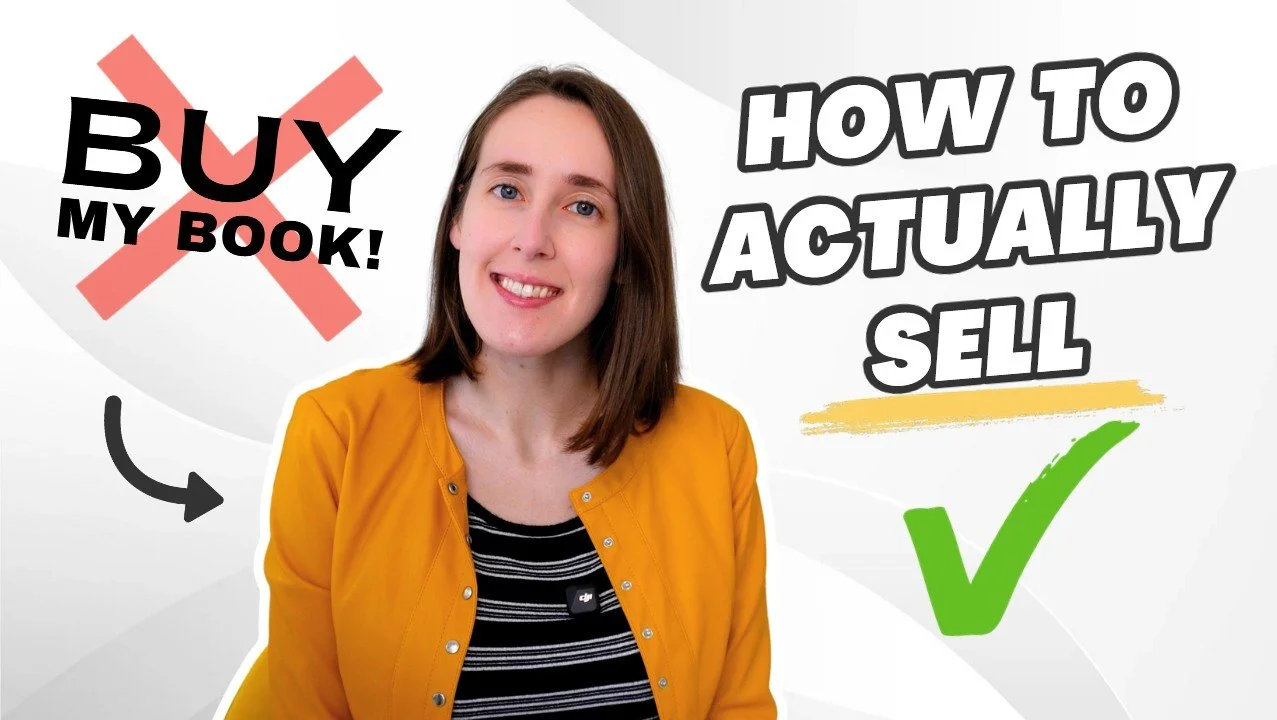
Prefer to watch or listen rather than read this article?
Reframe Your Mindset
Selling isn’t about convincing strangers to buy something they don’t want. It’s about helping people who love your genre or style to discover your work.
Think of it as selling to someone who already loves your work, not selling to someone who doesn’t like what you offer in the first place. Picture your ideal reader or collector. Speak directly to them and this makes your marketing feel more genuine.
Use Email Marketing to Build Trust
If you feel awkward about marketing, email marketing is a great way to sell because subscribers want to hear from you. They’ve opted in to your list and said, “I want to hear from you! Send me emails about your stuff!”
Through email you can:
Share stories
Share behind-the-scenes updates, offers and sales
Build trust
One of my favorite email marketing platforms is Brevo. You can see a behind-the-scenes of the platform in the video linked above, and get started with Brevo today and enjoy 50% off with code BYSHELBY50. (Thanks to Brevo for being a sponsor of the YouTube channel!)
Frameworks That Make Selling Easier
1. The Know–Like–Trust Funnel
Know: This is when people first find out about your brand or product.
Like: People start to like you because they like what you stand for and the stories you tell.
Trust: When people see that you are good at what you do and that other people like your product, they trust you and feel buying from you.
Loyalty: This is when people keep coming back to buy from you because they really like what you do.
Each stage requires different types of content like awareness posts for “know,” storytelling for “like,” testimonials and clear offers for “trust.”
Check out last week’s video and learn about my ABC framework for marketing here.
2. Hard Sell vs. Soft Sell
Soft Sell: A natural mention of your product within a story. For example, sharing a personal anecdote and then noting how your book or artwork fits perfectly for someone who relates.
Hard Sell: A direct and focused promotion. The entire post or email is about your offer with multiple calls to action (e.g., “50% off today only”).
Rotating between these ensures you reach both engaged followers (who notice soft sells) and casual readers (who need clear and direct reminders).
3. Before–During–After Framework
Before: Awareness content that helps potential customers realize your type of work exists.
During: Comparison content that shows why your product is the right fit while they’re actively searching.
After: Practical details that build trust once they’ve decided to buy like shipping info, pricing, refund policies, reviews.
By covering all three stages, you guide your audience smoothly from discovery to purchase.
Want to Go Deeper?
I’m hosting the Sales Made Simple Summit — a FREE 3-day virtual event April 20–22 with 15+ experts sharing their best sales strategies for authors and artists. You can get your ticket here.
Final Thoughts
Selling doesn’t have to feel like a betrayal of your art. With this mindset, you can market authentically connect with your audience and grow your business without feeling salesy.
Thank you for taking the time to read! I hope these frameworks help you feel more confident about selling your creative work without the “salesy” pressure. Remember, selling isn’t about convincing strangers but it’s about connecting with the right people who already love what you create.