
5 Changes to Make in Your 2026 Social Media Content
Marketing fundamentals don’t change as often as platforms do. Even though algorithms, features, and formats change all the time, how people act stays pretty much the same. That being said, people are clearly interacting with content in different ways now, and if your social media strategy hasn't changed, you might be wasting time on strategies that don't work anymore.
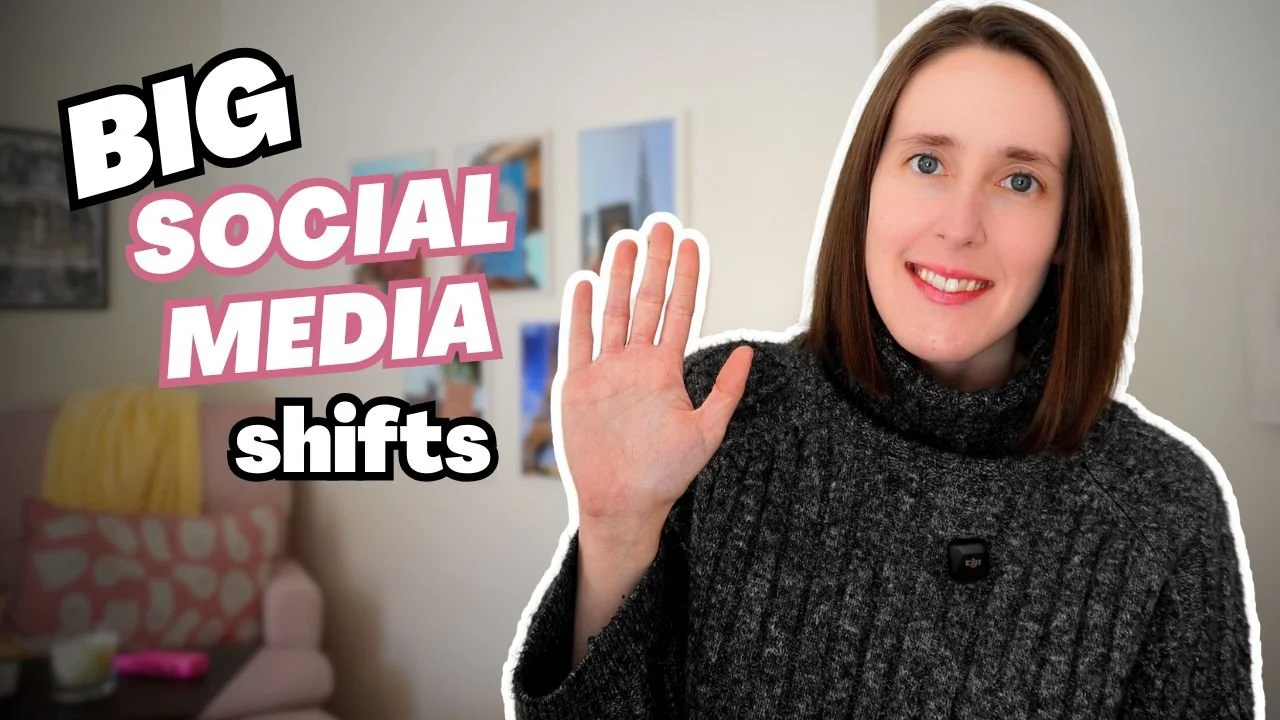
In this blog, I’m outlining five key shifts I’m seeing in social media content this year. I'll also talk about how creatives can change their strategy to stay relevant, visible, and effective without getting burned out..
If you want deeper examples and walkthroughs for each of these points, you can watch the full video or listen to the podcast linked below.
Prefer to watch or listen rather than read this article?
1. Personal Brands and Values Matter More Than Ever
People are increasingly drawn to brands that feel human, values-driven, and personal. This isn't a brand-new idea, but the amount of content that sounds the same has changed.
A lot of brands are losing their unique voice because they use AI-generated captions and post based on trends. This creates a huge opportunity for authors, artists, and creatives with personal brands. You don't need a large team or a lot of money because your stories, opinions, and experiences are what make you unique.
Small moments from your creative process, beliefs that shape your work, or lessons learned along the way often resonate more than perfectly polished content. These small things help people trust and connect with you, which leads to loyalty and sales.
2. Fewer Hashtags, More Context and Keywords
Hashtags are no longer the growth lever they once were. Platforms like Instagram have said openly that hashtags don't have a major impact on reach, and usage limits have gone down tremendously.
What does matter now is context.
Social media sites are acting more like search engines. People are looking for answers, suggestions, and ideas right now. This means that your hooks, captions, and text on the screen should make it clear right away who the content is for and what it is about.
Using strong keywords, clear language, and questions that are relevant to your content will help your content get discovered long after it’s posted.
Tip: When you type your niche into the search bar on Instagram, TikTok, or Pinterest, see what comes up. These are real phrases that people are looking for.
3. More Meaningful Calls to Action
“Link in bio” still works but it’s no longer engaging.
People are more likely to respond to calls to action that seem personal, interesting, and interactive. This could mean asking someone to say a word, respond to a prompt, or do something that feels more intentional than transactional.
This is where tools like ManyChat come in. ManyChat allows you to automatically reply to comments or direct messages with personalized messages, links, or free resources. Your audience gets what they want immediately, without you needing to respond to each person individually. When used thoughtfully, it creates a smoother and more personal experience instead of feeling like generic automation.
If you’re curious, ManyChat is the tool I personally use to create these more personalized calls to action. You can grab 50% off your first two months of ManyChat Pro using my affiliate link here.
4. Live Content and Live Selling Are Making a Comeback
Live content is changing the way people buy online especially for creatives.
Audiences love seeing real-time moments: packaging orders, signing books, working in your studio, answering questions, or sharing your process live. These instances make a connection that posts that remain the same.
You don't have to push too hard. Just being there, talking about your work, and responding to comments builds trust and streamlines up the buying process.
This is particularly useful for writers and artists whose audience want to feel like they know the person who made the work, not just the project itself.
5. Less Polished, More Genuine Content
There is still a place for highly curated content, but you don't have to meet that standard to post anymore.
A lot of creators don't post regularly because they feel like they have to make everything look perfect. The change we're seeing now prefers to remain real: behind-the-scenes moments, quick updates, work in progress, and everyday looks into your creative life.
If perfection is slowing you down, this is your permission slip to simplify.
Consistency matters more than aesthetics.
Putting These Changes into Action
You don't have to change your whole strategy all at once. Begin with small steps:
Choose one change to make this month: personal stories, better context, personalized CTAs, live content, or real posts.
Look over the content you already have to see where you can add value or make it clearer.
Try out different keywords, hooks, and prompts that are geared toward your audience.
Keep an eye on how engaged your audience is and change things up based on what works best for them.
These small changes will add up over time, helping you build a stronger relationship with your followers, gain their trust, and ultimately make more sales without spending all day online.
Tools & Resources to Help You Implement These Changes
ManyChat – My favorite tool for automating comments and personalizing your audience’s experience. Grab 50% off your first 2 months of ManyChat Pro here.
Free Marketing Resources – Check out my latest freebies designed to make marketing easier here.
Join the Creative's Content Club Waitlist – Want hands-on marketing support, templates, shortcuts, feedback, and step-by-step strategies every month? Add your name to the waitlist for my all-in-one marketing membership here.
Thank you so much for reading! I hope these tips help you make changes to your content that will help you start 2026 off right.
I’ll see you in the next one!